Astronaut is Reading a Book About Stars: A Designer's Stellar Asset
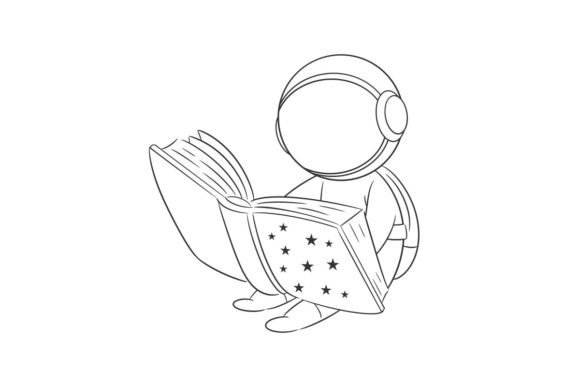
There is a specific kind of magic in a design that manages to be both deeply thematic and incredibly functional. When I first came across the "Astronaut is Reading a Book About Stars" vector asset, my mind immediately started racing with possibilities. This isn't just another generic space graphic; it tells a complete story in a single frame. It depicts a moment of quiet discovery, a blend of the vast unknown and the intimate act of reading. For designers, marketers, and content creators, this kind of visual shorthand is invaluable. It’s a piece that carries personality and narrative weight, ready to elevate a project from simply looking good to truly communicating something meaningful. The clean vector format means you’re not limited by size or application, making it a versatile cornerstone for a wide array of creative work.
Deconstructing the Visual Appeal and Narrative
Let's talk about what makes this illustration work so well. The style is modern and approachable, likely using a combination of clean lines and subtle gradients to create depth without overwhelming complexity. The astronaut isn't just floating; they are engaged, their posture suggesting curiosity and focus. The book of stars is a powerful symbol—it represents knowledge, exploration, and the human desire to understand the cosmos. This visual narrative makes the asset perfect for projects that aim to inspire, educate, or spark imagination. Its personality is one of wonder, intelligence, and gentle ambition. It feels both futuristic and timeless, a quality that allows it to fit seamlessly into a brand identity for a tech startup, an educational platform, or a children's science magazine.
The overall appeal lies in its balance. It’s detailed enough to be engaging as a standalone piece for editorial design or a book cover, yet simple enough in its core shapes to be recognizable as a small icon or social media graphic. The color palette, which you can easily customize, can shift its entire mood—from a vibrant, kid-friendly palette for a packaging design to a sophisticated, muted tone for a corporate presentation. This adaptability is a hallmark of a truly useful design asset.
Practical Applications: From Branding to Personal Projects
Where does this asset truly shine? The list is long, but here’s where I see the most immediate value. In branding, it could become the hero image for a company focused on learning, innovation, or future-forward thinking. Imagine it on a website homepage, instantly communicating the brand's core values without a single word of copy. For marketing campaigns, it’s a fantastic visual for content about personal growth, STEM education, or even a metaphorical "charting your own course" message for a coaching business.
In the publishing world, it’s a natural fit. A publisher could use it as the centerpiece for a book cover in the science fiction or educational genre. A blogger writing about astronomy, reading habits, or mindfulness could use a stylized version of the astronaut as a recurring character or featured image, building visual consistency and recognition. For crafters and hobbyists, the possibilities are tactile and fun. Think of a custom T-shirt design, a stencil for a wall mural, a centerpiece for a scrapbook page about a child's curiosity, or even a unique decal for a laptop or water bottle. The vector format ensures it will look crisp and perfect whether you're printing it on a massive banner or a tiny sticker.
Integrating the Asset: A Guide for Creators
Getting the most out of "Astronaut is Reading a Book About Stars" involves a few practical considerations. First, think about font pairing. If you're using the illustration alongside text, choose a typeface that complements its style without competing. A clean, modern sans serif font often works well for headlines, providing a contemporary feel that matches the illustration's vibe. For body text, a highly readable serif or sans serif is key. If the project has a more whimsical or educational angle, you might experiment with a script font for a short, impactful title, but use it sparingly to maintain clarity.
Next, consider color. The asset’s vector nature makes recoloring a breeze. Align the astronaut's suit and the starry book with your project's existing color scheme. This integration is crucial for creating a cohesive visual hierarchy and strengthening brand perception. A consistent color palette makes the entire design feel professional and intentional.
Finally, always review the licensing details. For small business owners and entrepreneurs using this for commercial projects—like on merchandise, in client work, or as part of a logo—understanding the commercial font (or asset) license is non-negotiable. Ensure the usage rights align with your project's scope, whether it's for a single client or for widespread distribution. This due diligence protects you and respects the creator's work.
Elevating Your Work with a Thematic Element
In a crowded digital landscape, visuals that tell a story are what stop the scroll. "Astronaut is Reading a Book About Stars" is more than just a pretty picture; it’s a conversation starter. It adds a layer of depth and personality to any project it graces. For a marketer, it can be the hook that captures an audience's imagination. For a designer, it’s a versatile tool that solves multiple creative briefs. For an entrepreneur, it’s a chance to build a brand that feels intelligent, curious, and aspirational.
By choosing assets like this, you move beyond generic stock imagery and into the realm of meaningful design. You give your audience something to connect with—a symbol of exploration and the joy of learning. Whether it’s the cornerstone of a logo design, the highlight of a social media campaign, or a cherished element in a personal project, this astronaut reminds us that the best designs are the ones that spark a little bit of wonder.